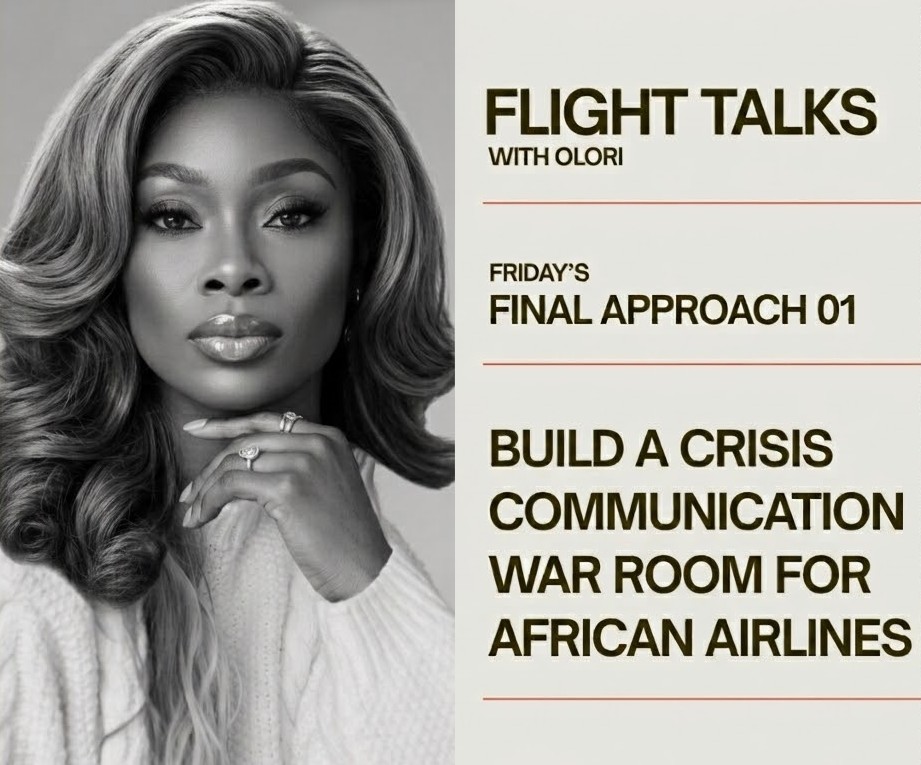
Every airline hopes it never has to manage a major disruption, yet anyone who has worked in aviation long enough knows that delays, weather conditions, technical issues, and operational challenges rarely check the calendar before showing up.
The difference is not always in the disruption itself. It is in how prepared the airline is to respond. A crisis communication war room is not a room filled with people speaking into headsets like in an action movie. It is in reality, the cognitive system that ensures the right people share the right information at the right time. When it works, passengers feel informed, employees feel confident, and regulators stay engaged.
A practical war room should focus on five areas:
Media response – The first statement does not have to answer every question. It simply has to acknowledge the situation, explain what is known, and commit to providing updates. Silence often creates more headlines than the incident itself.
Social media monitoring – This is often the first place passengers turn to, and sometimes where the story changes shape. Listening is just as important as posting. Correct any misinformation, quickly respond with empathy, and remember that one unanswered viral complaint can easily become tomorrow’s most popular thing.
Internal communication – Employees should never learn about their airline’s crisis from social media. Cabin crew, airport staff, customer service agents, and executives need the same facts and the same messaging. A well-informed employee becomes a trusted voice while a confused one unintentionally becomes a problem.
Government and regulatory bodies – Regulators, airport authorities, and government agencies value timely and effective communication. Keeping those stakeholders informed builds trust and helps prevent a life-or-death situation. A good relationship built before a crisis often becomes invaluable during one. Passenger updates – Passengers do not expect perfection, they expect honesty. Even when there is no major development, a simple update reassures people that they have not been forgotten. Waiting in uncertainty is often more frustrating than waiting for a flight. Perhaps the biggest lesson is that crisis communication is not about protecting the airline but protecting confidence. Every clear update, every honest conversation, every timely response tells passengers that the airline is in control, even when circumstances are not.
And one final thought. Coffee is important in every war room and so is accurate information. One keeps the team awake while the other keeps the public with you. For African Airlines, investing in a crisis communication war room is no longer a nice addition to your precious plan. It is part of delivering safe, reliable, and trusted aviation.