Covenant University has retained its position as Africa’s highest-ranked institution in the 2027 Times Higher Education (THE) Interdisciplinary Science Rankings, as Nigeria recorded its largest number of universities in the global ranking.
The 2027 edition, released on Wednesday, November 18, featured 27 Nigerian universities, representing a 50 per cent increase from the 18 institutions listed in 2026.
Covenant University, Ota, Ogun State, ranked joint 49th globally, making it the only African university in the world’s top 50 for the second consecutive year.
The private university also placed ahead of Egypt’s Cairo University, which ranked joint 52nd.
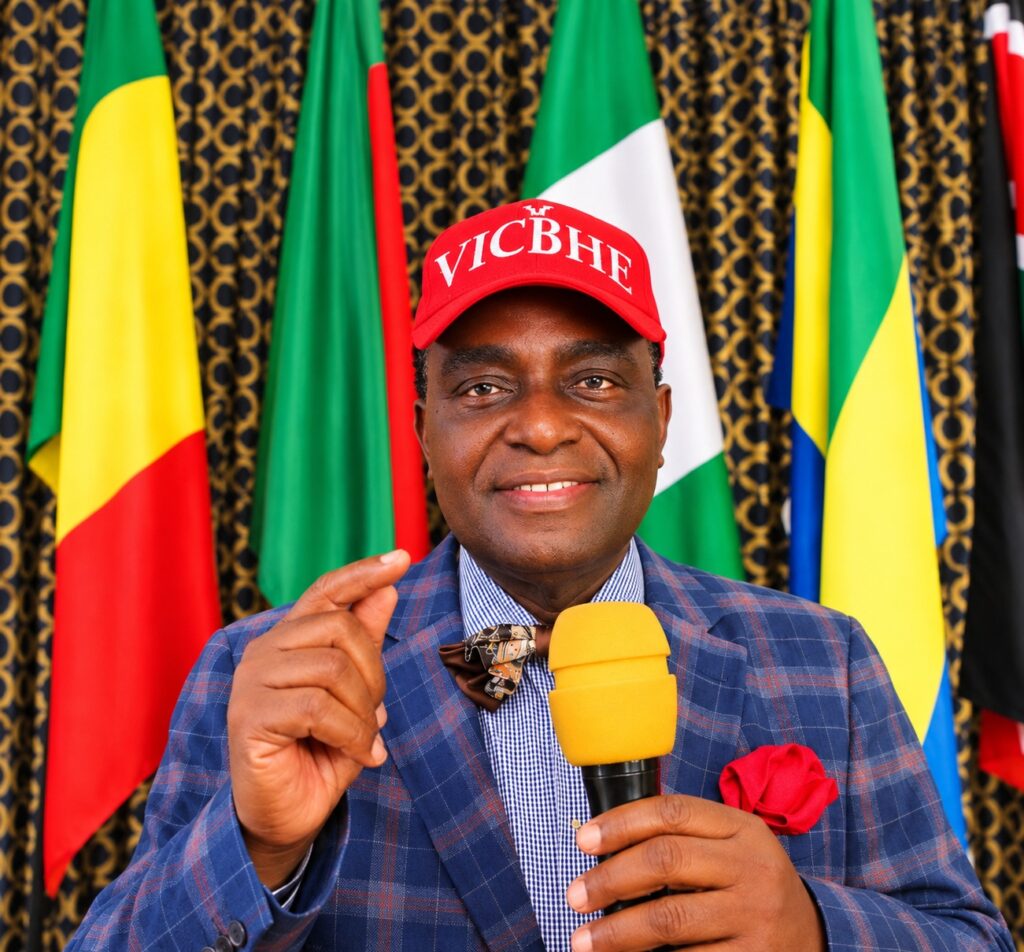
Chairman of the Nigerian Tertiary Education Ranking Advisory Committee (NiTERAC), Professor Emeritus Peter Okebukola, disclosed the figures in a statement issued in Abuja.
He said Nigeria’s performance had improved from 19 universities in the inaugural 2025 ranking, while seven other institutions were given Reporter status after submitting data.
This brings the total number of Nigerian universities participating in the 2027 exercise to 34, compared with 30 in 2026 and 27 in 2025.
Nigeria has also moved from 16th to 11th position globally in the number of ranked universities, maintaining its second position in Africa behind Egypt, which has 37 institutions.
The ranking, produced by THE in partnership with Schmidt Science Fellows, assessed 1,058 universities across 102 countries and territories.
It measures universities’ ability to fund, support and deliver research across scientific disciplines, using 11 performance indicators grouped into inputs, processes and outputs.
Inputs account for 19 per cent of the assessment, processes 16 per cent, while outputs carry 65 per cent of the overall score.
The Massachusetts Institute of Technology retained the global first position for the third consecutive year.
Landmark University, Omu-Aran, emerged Nigeria’s second-highest-ranked institution, placing in the 251–300 band.
Ahmadu Bello University, Zaria, and the University of Ilorin were ranked in the 351–400 band.
The University of Calabar, University of Lagos and University of Nigeria, Nsukka, occupied the 401–500 band.
Ladoke Akintola University of Technology, Obafemi Awolowo University and the University of Benin completed Nigeria’s top 10, placing in the 501–600 band.
Okebukola, a former Executive Secretary of the National Universities Commission, commended Ahmadu Bello University and the University of Calabar for their improvements.
ABU moved from the 601–800 band in 2026 to 351–400, while the University of Calabar rose from 601–800 to 401–500.
Eight Nigerian universities made their debut in the ranking. They are:
- Federal University of Technology, Minna
- Michael Okpara University of Agriculture, Umudike
- Joseph Sarwuan Tarka University, Makurdi
- University of Jos
- Rivers State University
- Babcock University
- Bells University of Technology
- Nile University of Nigeria
Osun State University also returned to the ranking after missing the previous edition.
Of the 27 ranked Nigerian universities, 14 are federal institutions, seven are state-owned and six are privately owned.
Despite the increase in participation, Okebukola cautioned that more universities in the ranking must translate into stronger performances.
Nigeria had two universities in the global top 300 in the 2027 edition, compared with five in the previous year. Similarly, seven Nigerian universities made the top 500, against eight in 2026.
He identified inadequate funding for interdisciplinary science research, limited research facilities, weak administrative support and institutional policies as major challenges facing Nigerian universities.
According to him, many institutions recorded low scores in the inputs and processes categories, which assess research funding and structures that support collaboration across scientific disciplines.
He said universities could improve their rankings by properly reporting research grants, industry partnerships and income, while adopting policies that encourage interdisciplinary research.
Okebukola commended Education Minister, Dr Tunji Alausa, for prioritising the global competitiveness of Nigerian universities and establishing NiTERAC to support the initiative.
He said the committee had submitted its report and recommendations to the minister and would work with academic planning directors and the Virtual Institute for Capacity Building in Higher Education to help universities prepare stronger submissions for the 2028 ranking.
He also urged research-intensive universities yet to participate to take advantage of the opportunity.
Meanwhile, the 2026 national ranking of universities, polytechnics and colleges of education is nearing completion, with results expected to be unveiled at a national conference on December 15.
Okebukola said the exercise was expected to improve institutional data management and encourage healthy competition among Nigerian tertiary institutions.