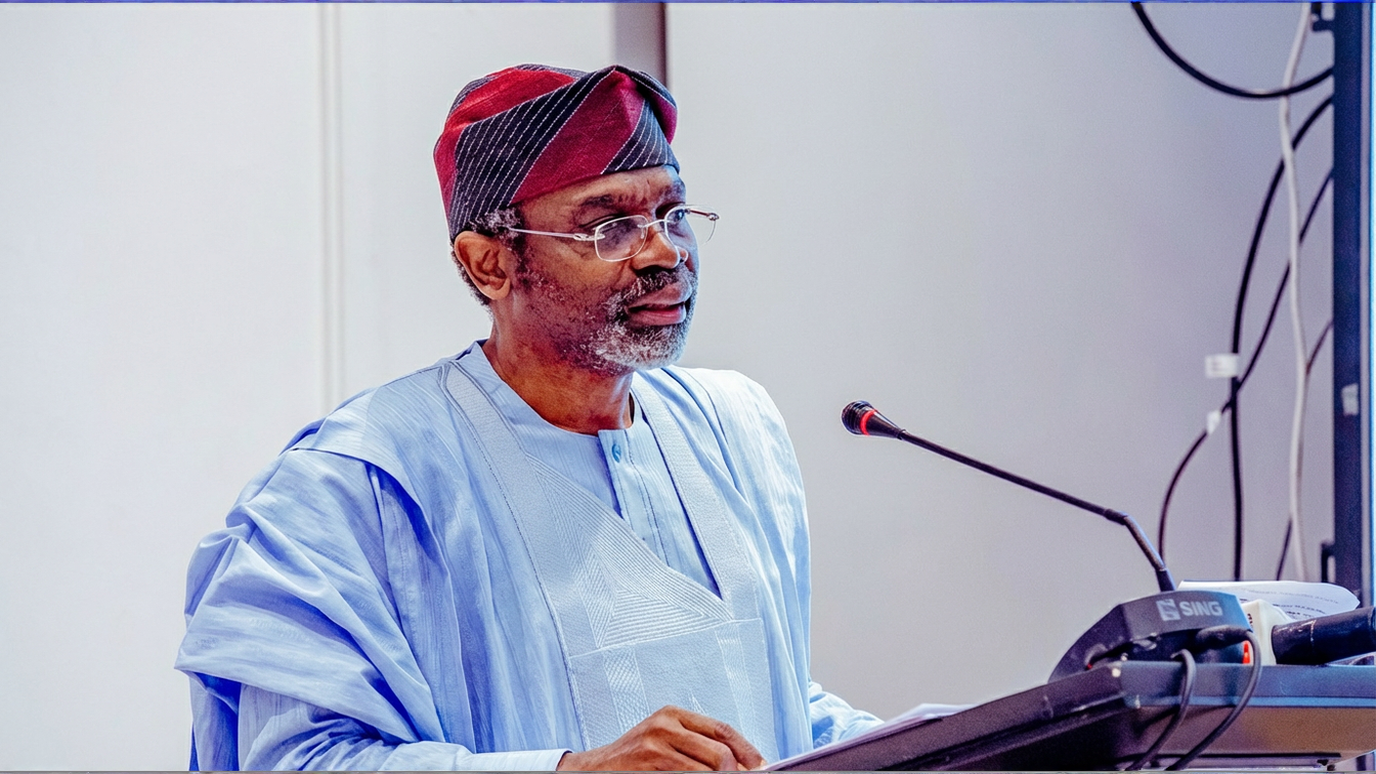
The Chief of Staff to President Bola Tinubu, Femi Gbajabiamila, and the Speaker of the Delta State House of Assembly, Emomotimi Guwor, have thrown their weight behind ongoing constitutional reforms, particularly the proposed establishment of state police and the devolution of powers, describing them as critical to strengthening Nigeria’s security architecture and deepening federalism. The two leaders spoke on Tuesday at the 2026 National Assembly Open Week in Abuja, where they also underscored the need for greater transparency, accountability and collaboration among the executive, legislature and citizens in advancing democratic governance. Gbajabiamila said the National Assembly’s Open Week should serve as more than a ceremonial exercise, insisting that it must provide Nigerians with a genuine opportunity to scrutinise legislative activities, engage lawmakers and hold public institutions accountable.An Open Week must be more than the ceremonial opening of the gates of parliament. It should be an invitation to scrutiny, dialogue and partnership,” he said.
“Citizens should be able to follow how laws are made, understand how public resources are appropriated, and see how legislative oversight protects the national interest.” The former Speaker of the House of Representatives also called for broader citizen participation in lawmaking, stressing that the voices of young people, women, persons with disabilities, civil society organisations, the private sector and professional bodies should be reflected in national priorities. “Transparency turns constitutional authority into public trust. Inclusion ensures that the voices of our diverse people are not only heard but reflected in national priorities, while reform keeps our institutions responsive to changing realities and capable of delivering better outcomes,” he added.
Reflecting on his experience as Speaker, the Chief of Staff said democratic governance thrives when the executive and legislature work together within the bounds of the Constitution. “While the executive and the legislature are separate arms of government, they share one ultimate mandate, which is to improve the lives of the Nigerian people. “Constructive cooperation does not diminish legislative independence, nor does robust debate amount to institutional conflict. Our democracy is strengthened when both arms engage with mutual respect, constitutional fidelity and a clear focus on results.” He urged lawmakers to focus on measurable outcomes rather than legislative activity alone. “As we reflect on the past three years of the 10th Assembly, I encourage us to look beyond the record of activities to the measure of impact—laws that solve real problems, budgets that translate into visible development, oversight that improves performance, and representation that renews citizens’ confidence in government,” he stated.
Gbajabiamila reaffirmed the Tinubu administration’s commitment to maintaining a productive relationship with the National Assembly in pursuit of the administration’s Renewed Hope Agenda.“The Presidency remains committed to a productive relationship with the National Assembly in pursuit of security, economic renewal, social justice and shared prosperity. Nigerians expect their institutions to work together,” he stressed. Speaking on behalf of the Conference of Speakers of State Legislatures, Guwor described insecurity as Nigeria’s most pressing challenge, saying constitutional reforms offered a unique opportunity to strengthen governance and improve national security. “Insecurity remains the greatest challenge confronting our nation today. While effective legislation and sound public policy are indispensable, lasting solutions require sustained engagement with the people and stronger collaboration among government, legislatures, security agencies, traditional institutions, civil society organisations, development partners and local communities
Security is a shared responsibility, and through collective action, we can build a safer and more peaceful nation,” he said.He commended President Bola Tinubu for pursuing institutional reforms aimed at addressing the country’s security challenges and praised the National Assembly for advancing constitutional amendments on state policing and the devolution of powers. “We commend President Bola Tinubu for his steadfast commitment to addressing Nigeria’s security challenges through institutional reforms. “We equally commend the leadership and members of the National Assembly for their vision, patriotism and unwavering commitment to the ongoing constitutional deliberations on state policing and the devolution of powers. These efforts reflect a genuine determination to strengthen our federal system and build a more secure, responsive and effective governance structure,” he stated.
According to him, the proposed constitutional amendments could significantly improve Nigeria’s governance framework if successfully enacted and implemented. “If adopted and faithfully implemented, these constitutional reforms have the potential to strengthen Nigeria’s security architecture, improve intergovernmental coordination, bring governance closer to the people and reinforce the principles of true federalism envisioned by our Constitution.” He assured that the Conference of Speakers would continue to work with the National Assembly, the Presidency, the Nigeria Governors’ Forum and other stakeholders to ensure the success of the reforms.
“The Conference of Speakers stands ready to continue working closely with the National Assembly, the Presidency and all relevant stakeholders to ensure that these reforms ultimately serve the best interests of the Nigerian people,” he said. The National Assembly Open Week is an annual initiative aimed at promoting transparency, accountability and public participation in the legislative process. The programme provides citizens with direct access to the workings of parliament through public engagements, interactive sessions and policy discussions. This year’s edition comes as the National Assembly intensifies work on wide-ranging constitutional amendments, including proposals on state police, the devolution of powers, electoral reforms, judicial reforms and local government autonomy—measures widely regarded as some of the most consequential constitutional changes since the return to democratic rule in 1999.