
Ethiopia is set to receive an additional $468 million from the International Monetary Fund (IMF) following a staff-level agreement on the fifth review of its $3.4 billion Extended Credit Facility (ECF) programme.
The proposed disbursement, pending approval by the IMF Executive Board, will bring the total amount released under the four-year arrangement to approximately $2.65 billion, providing further support for the country’s ongoing economic transformation efforts.
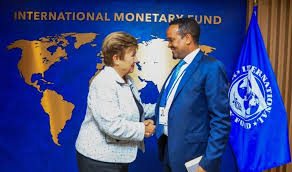
The agreement was reached after discussions between an IMF delegation led by Alvaro Piris and Ethiopian officials in Addis Ababa from May 6 to May 20, with subsequent consultations held virtually.
In a statement issued on June 3, the IMF acknowledged Ethiopia’s continued progress under its Homegrown Economic Reform Agenda, noting that the country has maintained positive economic momentum despite external challenges, including disruptions stemming from the conflict in the Middle East.
According to the Fund, several key economic indicators have shown encouraging improvement through the early months of 2026. Output growth has remained strong, exports have expanded, foreign exchange reserves have increased, and government revenue collection has strengthened. Inflation, which has posed a significant challenge in recent years, has also begun to ease.
The IMF credited the government’s commitment to reforms aimed at reinforcing macroeconomic stability, boosting private-sector activity, and enhancing the country’s competitiveness as a driver of the positive outcomes recorded so far.
Despite the gains, the Fund cautioned that Ethiopia’s economic outlook remains vulnerable to external shocks. Rising global uncertainty and commodity price fluctuations linked to tensions in the Middle East continue to pose risks to growth and economic stability.
While the IMF believes the overall impact on growth, inflation, and external balances will remain manageable if current disruptions prove temporary, it urged policymakers to closely monitor developments and take steps to mitigate the effects of higher import costs and volatile global markets.
The Fund also advised the authorities to maintain a tight monetary policy stance to keep inflation under control while continuing efforts to improve the efficiency, transparency, and functioning of the foreign exchange market.
On the fiscal front, the IMF stressed the need for stronger domestic revenue mobilisation and prudent public spending to preserve fiscal sustainability amid increasing expenditure pressures.
The IMF disclosed that Ethiopia is making steady progress in its efforts to restructure external debt.
According to the Fund, negotiations with official creditors are advancing in line with expectations, while discussions with bondholders continue as part of a broader strategy to secure a comprehensive debt restructuring agreement and improve the country’s long-term debt outlook.
Since Prime Minister Abiy Ahmed came to power in 2018, Ethiopia has embarked on an ambitious programme of economic reforms aimed at opening up key sectors of the economy, attracting foreign investment, and promoting private sector-led growth.
A major milestone in the reform process came in July 2024 when the country adopted an interest rate-based monetary policy framework, bringing its financial system closer to international standards and creating opportunities for greater participation by foreign financial institutions.
The anticipated IMF disbursement is expected to bolster Ethiopia’s foreign exchange reserves, support government financing needs, and sustain reforms designed to deliver long-term economic growth, stability, and resilience.